Ergonomic Chair Fitting: The Five Measurements That Matter
Seat height, seat depth, lumbar position, armrest height and recline tension — how to check each one before you buy.
7 min read
Seat height
Feet flat, knees at roughly 90 degrees, thighs parallel to the floor. Most chairs cover 16"–21", which suits users from about 5'2" to 6'2". Outside that range you need a specific short or tall cylinder.
Seat depth
Two to three fingers of clearance between the seat edge and the back of your knee. Too deep and the seat cuts circulation; too shallow and you lose thigh support. Adjustable seat depth is the single most under-rated feature on a task chair.
Lumbar position
The lumbar support should meet the inward curve of your lower back, not your mid-back. Height-adjustable lumbar matters more than depth-adjustable.
Armrest height
Shoulders relaxed, elbows at 90 degrees, forearms resting lightly. If armrests force your shoulders up, remove them — badly set arms are worse than none.
Recline tension
You should be able to lean back with light pressure and be held, not thrown. Set tension to your body weight, then use the tilt limiter to stop the recline where you want it.
Products from this guide

MOLENTS
MOLENTS Ergonomic Mesh Chair
Adjustable lumbar and 3D arms at a budget price

BestOffice
BestOffice Mid-Back Ergonomic Mesh Chair
The budget mesh task chair that gets the basics right under $50.
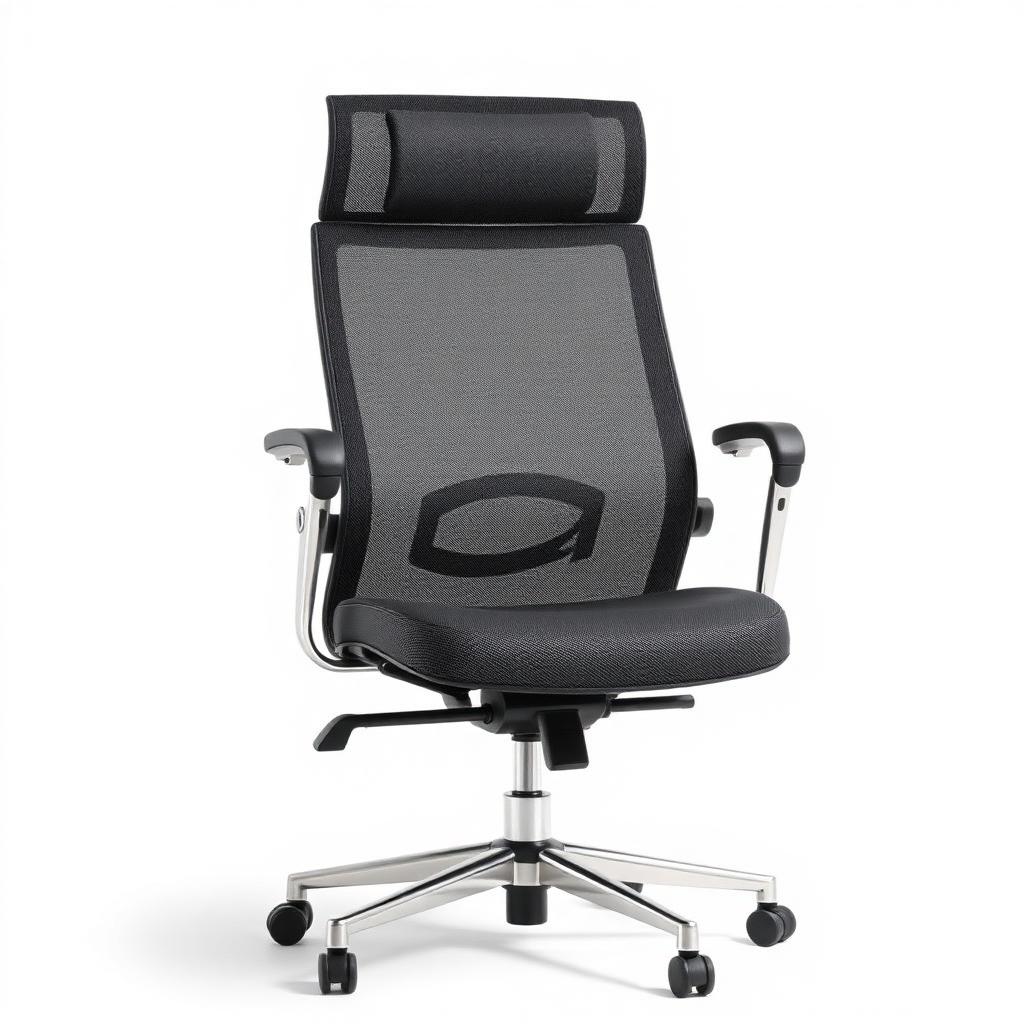
Generic
High-Back Mesh Office Chair with Headrest
Headrest, lumbar and flip-up arms for around $120